Understanding Sports Broadcasting
Definition and Key Components
Sports Broadcasting encompasses the live coverage of sports events via television, radio, or digital platforms to engage fans and viewers. At its core, it involves delivering live commentaries, highlights, post-match analyses, and expert discussions, all designed to enhance the viewing experience. The key components of sports broadcasting include the event being covered, the commentators and analysts who provide insights, the technology used to transmit the events, and the platforms that deliver the content to audiences.
The Evolution of Sports Broadcasting
The journey of sports broadcasting has been a remarkable one, beginning with radio broadcasts of games in the early 20th century. The advent of television revolutionized the industry, with networks competing for broadcasting rights of major sporting events. Today, digital streaming platforms allow audiences to access live sports from their devices at any time. Over the decades, technology has evolved significantly, leading to high-definition broadcasts, multi-camera setups, and enhanced viewer interactivity. This transformation has not only broadened the reach of sports but has also made it more accessible to a global audience.
Importance of Audience Engagement
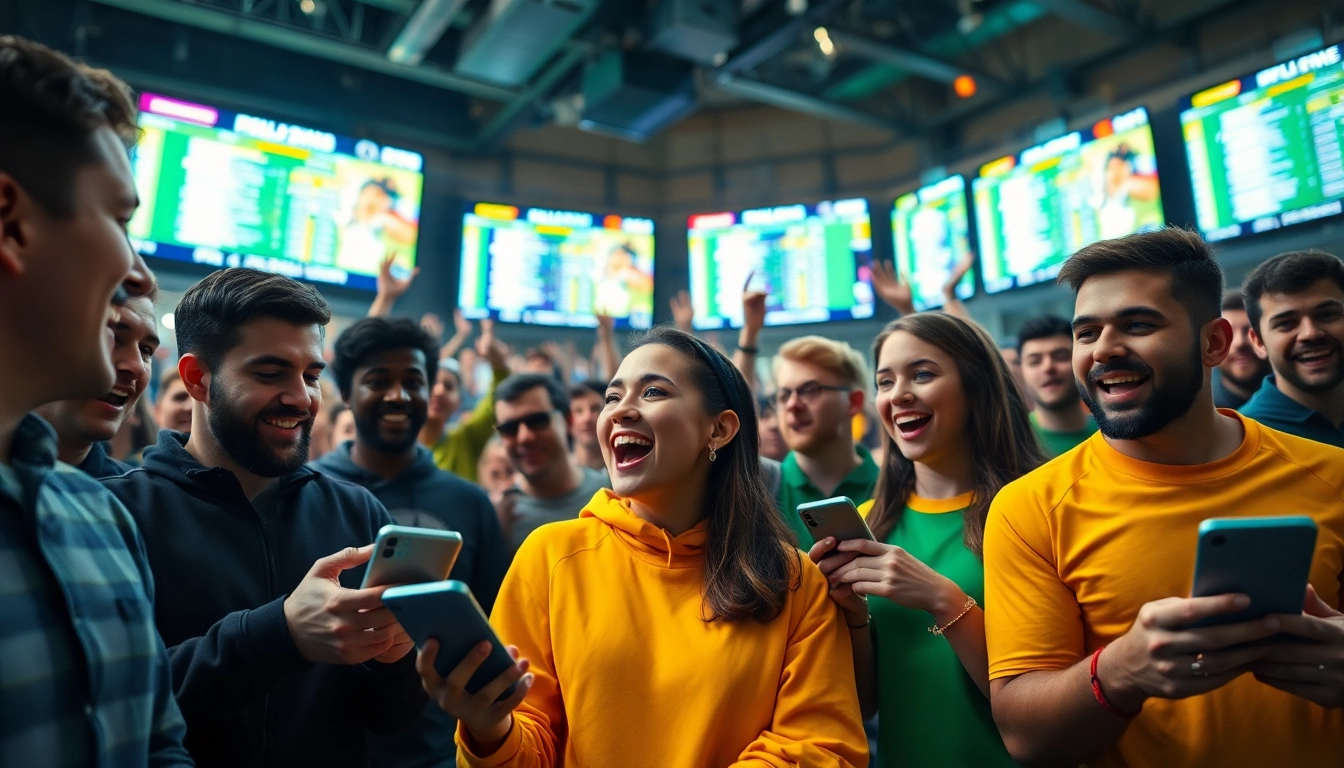
In the age of information overload, engaging the audience has become more critical than ever. Successful sports broadcasters actively work to cultivate a loyal viewer base by creating interactive experiences. This includes live polls, Q&A sessions, and engaging social media activities during broadcasts. The emphasis on audience engagement not only improves viewer retention but also provides valuable insights for crafters of future programming. For a deeper dive into engaging practices, consider the role of Sports Broadcasting in shaping fan experiences.
Essential Equipment for Sports Broadcasting
Cameras and Audio Gear
High-quality cameras are the backbone of any sports broadcasting operation. Multiple camera angles enhance the viewing experience, capturing every moment from various viewpoints. HD and 4K cameras are becoming standard, offering crystal-clear images that allow viewers to feel as if they are part of the action. Additionally, high-fidelity audio gear is essential for capturing commentary, sounds from the crowd, and in-game audio to amplify the excitement. Wireless microphones, boom mics, and dedicated audio mixing equipment form integral parts of a sports broadcaster’s toolkit.
Broadcast Software and Systems
Advanced broadcast software is crucial for managing the complex requirements of live broadcasts. Software solutions provide capabilities for graphics integration, real-time data and statistics presentation, and social media feeds. They also allow for seamless transitions between live cameras and pre-recorded segments. Broadcasting systems must be robust and reliable, equipped to handle high traffic during major sporting events while ensuring minimal latency and interruption.
Setting Up a Broadcast Studio
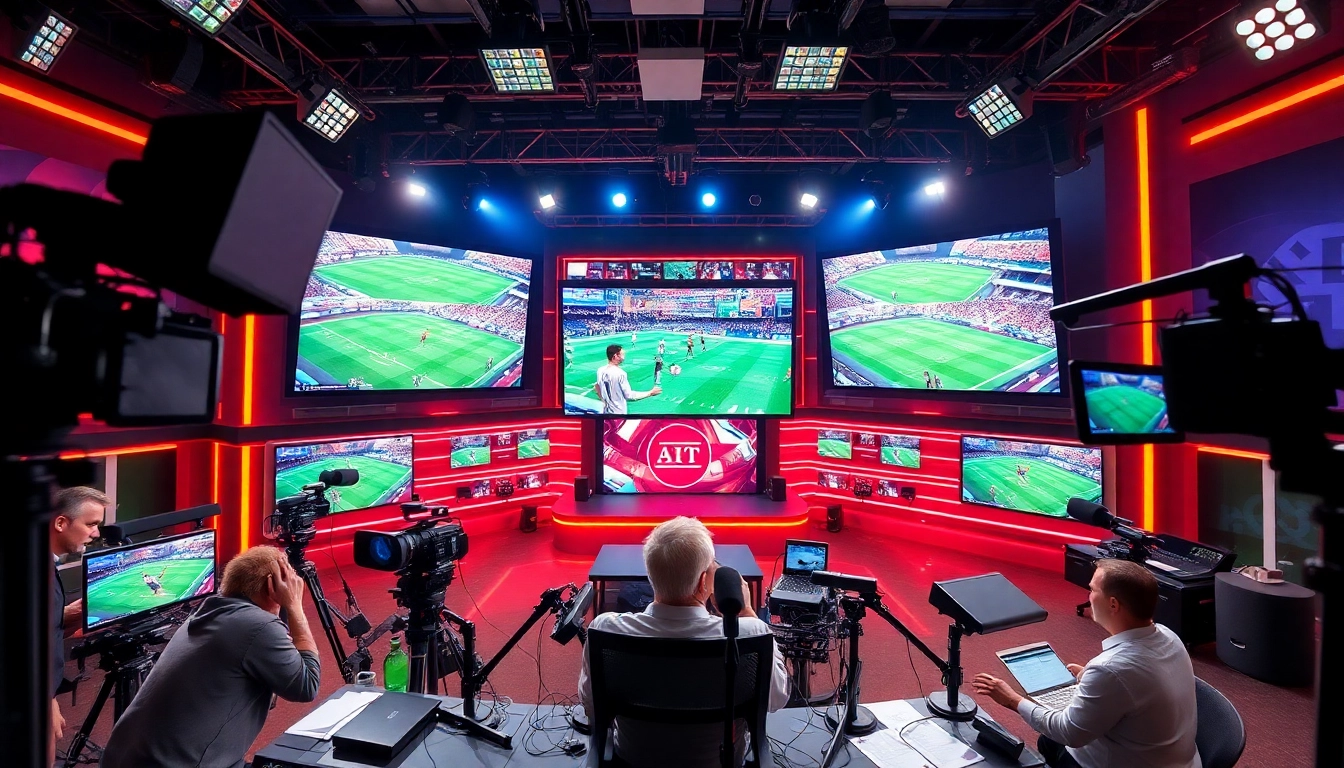
A well-organized broadcast studio is pivotal for effective sports broadcasting. Essential elements include a control room for managing feeds, a dedicated space for commentators, and equipment storage. Acoustic treatments to reduce echo, appropriate lighting to enhance video quality, and ergonomic furniture for comfort during long hours are also vital. The layout of the studio must facilitate smooth communication between crew members while maximizing workflow efficiency throughout the broadcast.
Techniques for Effective Sports Broadcasting
Live Commentary and Analysis
Live commentary is the heart of sports broadcasting, where skilled commentators provide real-time insights, analysis, and emotional narratives that connect the audience to the event. Effective commentators must possess a deep understanding of the sport, quick-thinking abilities for real-time analysis, and strong communication skills to articulate their thoughts clearly and concisely. Utilizing past statistics and player histories can provide context for viewers, enhancing the overall viewing experience.
Utilizing Graphics and Visuals
Graphics have become an integral part of sports broadcasting, aiding in the comprehension of complex details like player stats, in-game strategies, and score updates. Infographics are effective for visual storytelling, illustrating key moments during broadcasts. Animated graphics can emphasize important plays or shifts in game dynamics, keeping viewers engaged and informed. The key is to strike a balance—too many graphics can distract, while too few may leave audiences wanting more information.
Engaging with the Audience on Social Media
In today’s digital landscape, engaging with viewers on social media channels is essential. Broadcasters can create real-time connections with fans by sharing behind-the-scenes content, encouraging viewers to share their thoughts during broadcasts, and responding to live tweets or comments. Social media interaction adds a layer of community, making fans feel involved in the experience and boosting loyalty. Hashtags and interactive features like polls can encourage participation while widening reach and visibility of the broadcasts themselves.
Challenges in Sports Broadcasting
Technical Difficulties and Solutions
Technical difficulties are an unfortunate reality in sports broadcasting, ranging from camera failures to audio issues. Broadcasters can mitigate these challenges by investing in reliable equipment, conducting pre-broadcast system checks, and having backup equipment ready. Establishing clear communication among the crew during broadcasts is also essential to identify problems quickly and respond effectively, ensuring minimal disruption to the viewing experience.
Legal Issues and Compliance
Legal compliance in sports broadcasting entails navigating broadcasting rights, intellectual property issues, and regulations regarding content. Broadcasters must secure necessary rights from sports leagues or organizations before airing events. Additionally, understanding copyright laws, especially concerning music and highlights, is critical for avoiding legal pitfalls. It is advisable for broadcasters to have legal teams or resources for consulting on contracts and compliance with industry regulations.
Competition and Market Trends
The landscape of sports broadcasting is highly competitive, with new players entering the market continuously. Staying ahead of competitors requires innovation in content delivery, an understanding of viewer preferences, and adapting to market trends, such as the rise of streaming services. Broadcasters need to analyze viewership data regularly to refine their strategies and deliver the compelling content that viewers demand while also considering audience feedback for future improvements.
Measuring Success in Sports Broadcasting
Audience Metrics and Analytics
Success in sports broadcasting hinges on understanding audience metrics, which include viewership numbers, engagement rates, and social media interactions. Using analytics tools helps broadcasters track the performance of their content, providing insights into which events draw larger audiences or generate more interaction. By analyzing these metrics, broadcasters can adapt programming decisions and marketing strategies to better resonate with their target audiences, driving overall success.
Feedback and Improvement Strategies
Collecting feedback from viewers through surveys, social media interactions, and direct comments fosters development within sports broadcasting. Understanding viewer preferences, strengths, and areas for improvement allows broadcasters to refine their content and delivery methods. Continuous improvement strategies may include peer reviews of broadcasting segments, training sessions for commentators, and experimenting with new technologies or audience engagement practices to enhance viewer satisfaction.
Trends Shaping the Future of Broadcasting
The future of sports broadcasting is being shaped by several trends, such as increased use of augmented reality (AR) for immersive experiences, personalized viewing options, and AI technologies for analysis and graphics. As audiences seek more tailored experiences, broadcasters will need to adapt quickly to these innovations, balancing traditional broadcasting methods with cutting-edge technology. The transition to hybrid viewing experiences that seamlessly combine in-person attendance with digital broadcasts will also reshape the landscape in the coming years.
FAQs
1. What is Sports Broadcasting?
Sports Broadcasting refers to the live coverage of sports events through television, radio, or digital platforms, aimed at engaging viewers and fans.
2. What equipment do I need for Sports Broadcasting?
Essential equipment includes high-quality cameras, microphones, broadcast software, and a well-organized broadcasting studio setup to ensure effective transmission.
3. How can I engage my audience during broadcasts?
Engagement can be achieved through live commentary, social media interaction, and visual graphics, keeping the audience involved and entertained.
4. What challenges do sports broadcasters face?
Common challenges include technical difficulties, legal compliance issues, and staying ahead of competition in a rapidly evolving market.
5. How do I measure success in Sports Broadcasting?
Success can be measured using audience metrics, feedback, and analysis of broadcasting trends, helping to refine strategies for future broadcasts.